
Tank vs. Tankless Water Heaters: Which Is Right for Your New Albany Home?
Residents in New Albany understand the importance of keeping their homes comfortable throughout the fluctuating Indiana seasons. One of the most essential decisions a homeowner faces is selecting the right water heater for their needs. With several options available, the classic debate comes down to tank versus tankless water heaters. Considering the costs, energy efficiency, and longevity of each type is crucial for homeowners aiming to maximize both comfort and value in their New Albany area homes.
Need professional help with your water heater? Contact Summers Plumbing Heating & Cooling for expert solutions in New Albany. Get a $59 Water Heater Safety Inspection for this month only! (Terms and conditions apply).
If you’re considering replacing your old water heater or installing a new one in your home, being informed is the first step. At Summers Plumbing Heating & Cooling, our expertise ensures you can make a well-educated choice tailored to your household’s unique requirements—so you can enjoy reliable hot water and potential savings on your utility bills.
Understanding How Water Heaters Work
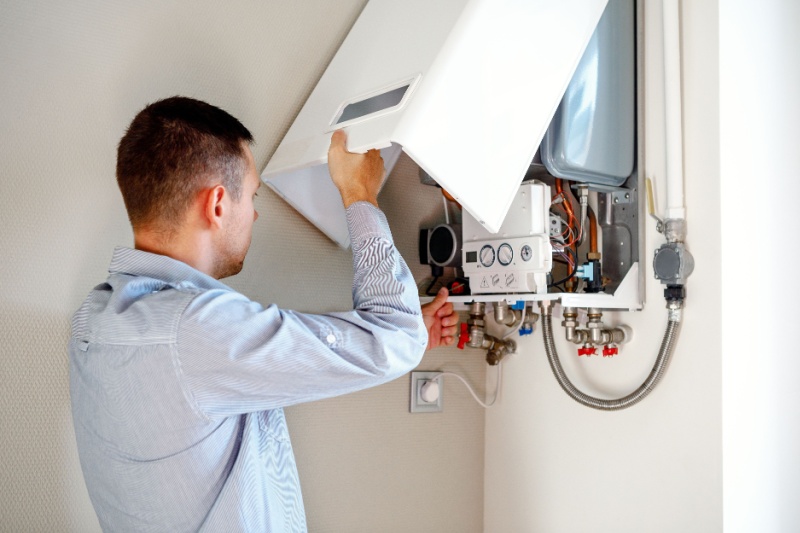
Before comparing tank and tankless water heaters in detail, it’s important to understand how each type functions. Traditional tank water heaters are extremely common in homes throughout the New Albany area. These systems usually store anywhere from 20 to 80 gallons of water, keeping it heated and ready for use at all times. When you turn on a hot water tap, hot water is drawn from the top of the tank, and cold water enters the bottom to be reheated. While this setup is proven and dependable, it does cause some energy loss, known as ‘standby heat loss,’ since the water in the tank must constantly be kept hot even when you’re not using it.
Tankless water heaters, by contrast, have become increasingly popular in recent years. Rather than keeping a tank of water heated, these units activate when you turn on a hot water tap, using a powerful burner or electric element to heat water as it moves through the system. The primary advantage here is that you only use energy to heat water when you need it—eliminating most standby losses. However, tankless units do have some limitations, including a capped flow rate and the potential for scale buildup if routine maintenance is ignored.
Weighing Upfront Installation Costs
Cost plays a major role in any home improvement decision. When it comes to water heaters, traditional tank models typically offer a lower upfront price. Installation and purchase together can range anywhere from $600 to $2,500. If your existing setup already has compatible connections and venting, replacing an old tank with a new one is often quick and straightforward.
On the other hand, tankless water heaters generally require a larger initial investment—often between $1,400 and $3,900 depending on the specifics of the unit and the installation. The higher price tag usually reflects added requirements for retrofitting gas lines, upgrading electrical supplies, and adjusting venting. It’s also worth noting that in households with higher hot water demands, you may need multiple tankless units to meet your needs, which can further increase upfront costs.
Comparing Energy Efficiency and Operational Expenses
For many New Albany homeowners, energy efficiency and monthly bills are at the center of the decision. Traditional tank water heaters are convenient and reliable, but keeping a tank of water hot 24/7 results in higher energy costs. This continuous maintenance of temperature—even when hot water isn’t needed—translates into wasted energy.
Tankless systems, meanwhile, often justify their higher initial expense with far greater energy efficiency. Since they only activate and use power when a hot water tap is in use, tankless models can save a significant amount of energy over time. Studies indicate that gas-powered units can save around $110 yearly, while electric tankless models may save about $45 annually. Households using under 40 gallons of hot water per day can slash their energy use by up to 30% with tankless models. But for larger households, the percentage savings may diminish, especially if they’ve had to install more than one system. Hard water in the New Albany area can also affect efficiency, as mineral scale builds up over time, making regular maintenance even more important.
Maintenance Requirements and Life Expectancy
No matter which system you choose, proper maintenance is the key to longevity and continued efficiency. Tank water heaters should be flushed yearly to prevent sediment buildup. Technicians should also inspect the unit’s anode rod, temperature and pressure relief valves, and check for corrosion or leaks on a routine basis. With consistent care, tank models typically offer a lifespan of 10-15 years.
Tankless water heaters, while more efficient, come with their own maintenance needs. Annual descaling and flushing are vital, especially in areas with hard water like New Albany, to keep their heat exchangers free of mineral buildup. Filters require regular cleaning or replacement, and periodic inspections of the ignition system and connections are necessary to prevent premature failure. Tankless units, with attentive care, can last up to 20 years or longer, making them a potentially better investment for those planning to stay in their homes for many years.
Cost Savings and Break-Even Timelines
Although tankless heaters promise lower operating costs, they also come with steeper upfront costs, meaning it can take several years to break even. Depending on the fuel type and specific system, it could take between 9 and 14 years for monthly savings to offset the difference in initial investment—sometimes even longer with electric tankless systems. For families likely to remain in their homes for the long haul, this may be a worthwhile tradeoff. However, if you plan to move sooner, a traditional tank system may ultimately be the more cost-effective solution.
It’s also smart to weigh ongoing maintenance costs alongside fuel and installation expenses, as these can vary between tank and tankless options.
Choosing the Best Water Heater for Your Needs
Ultimately, your decision should factor in your household’s size, budget, energy goals, and how long you plan to live in your New Albany home. Tankless water heaters are best suited for those who prioritize energy savings, don’t mind a higher initial investment, and want a long-lasting appliance. They work especially well for smaller households or homes with moderate hot water needs and existing infrastructure that can be adapted to support tankless technology.
Traditional tank models continue to be the right fit for families with tighter budgets, high simultaneous hot water demand, or those seeking a straightforward installation. For some, hybrid solutions may also warrant consideration—a professional consultation can reveal the optimal match for your circumstances.
Expert Guidance from Summers Plumbing Heating & Cooling
Every home is unique, which is why making the right choice for your hot water needs can be challenging. If you’re torn between tank and tankless water heaters or want a professional assessment of your current system, the team at Summers Plumbing Heating & Cooling is here to help. Our specialists offer personalized recommendations and full-service solutions to ensure your household’s comfort and efficiency, all year round.
Ready to upgrade your system or need dependable repairs? Call our New Albany office at 812-944-3969 or schedule your service online. Let Summers Plumbing Heating & Cooling provide the expertise and quality you need—experience comfort and peace of mind in your New Albany home today.