
Why Is My AC Making That Noise? Common HVAC Sounds and What They Mean
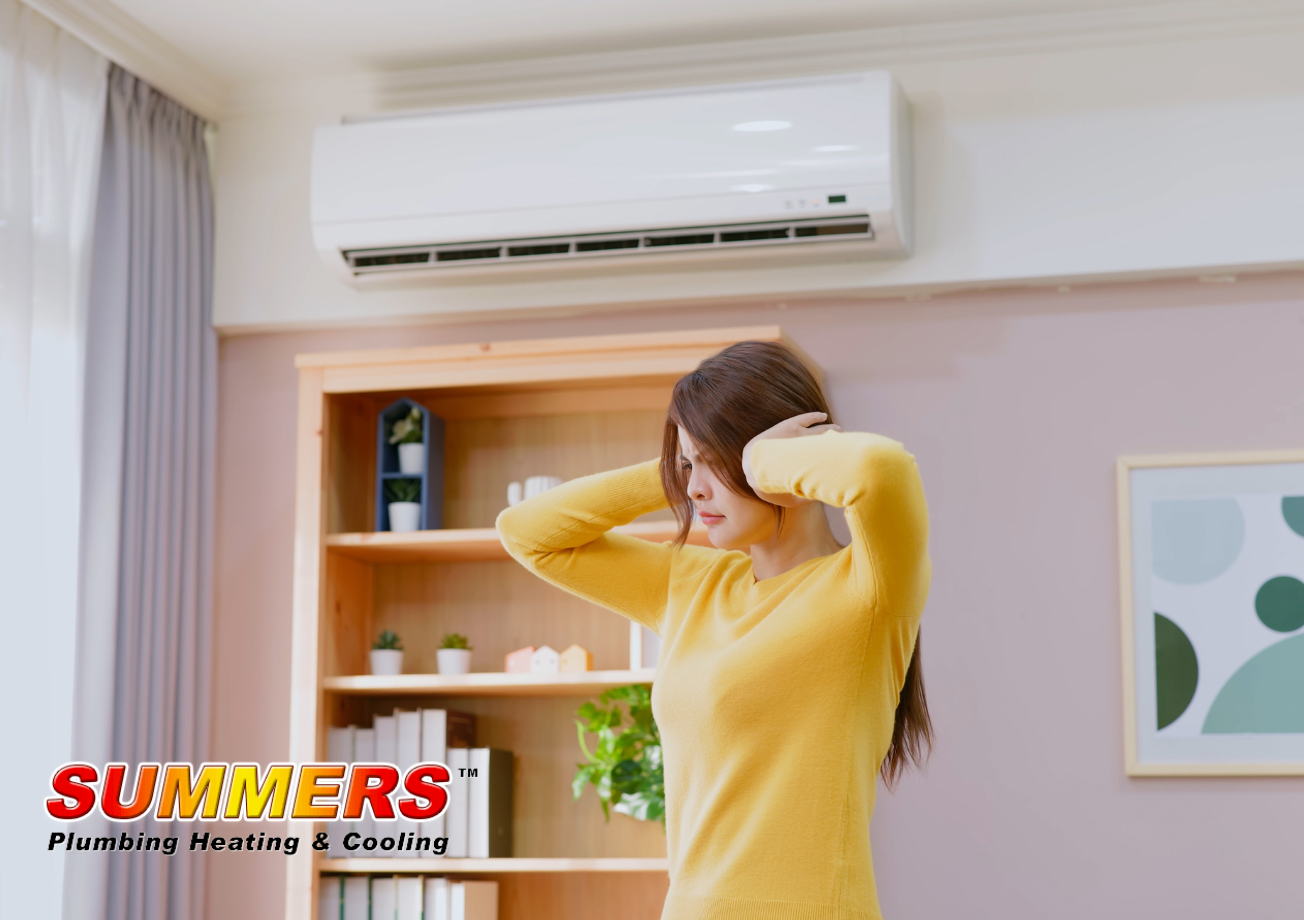
When your air conditioning unit starts making strange sounds, it can feel a bit like being on a mystery adventure. You might wonder if it’s a simple issue, something you’d rather not deal with, or a sign of bigger problems lurking beneath the surface. Many homeowners encounter this concern and are eager to resolve it. Recognizing those noises—like that tiny squeak while the system runs or a sudden bang during a hot summer day—can be very helpful in understanding what your HVAC is trying to tell you. In this article, we will delve into common AC sounds and their potential implications for your comfort and home, equipping you to confidently address any HVAC issues.
If your AC is making unusual noises, it’s crucial to first identify the type of sound, as different noises can signify different issues. Common sounds include squealing, which may indicate a bad fan belt, or rattling, which could suggest loose components; in any case, it’s advisable to consult an HVAC technician for a thorough diagnosis and timely repairs to prevent further damage.
Identifying Common HVAC Sounds
HVAC systems, much like people, sometimes express discomfort, and deciphering these noises can significantly expedite maintenance.
Take the case of squealing or screeching; this sound usually denotes a problem with the fan belt or motor bearings. Imagine you’re driving your car and suddenly hear a high-pitched screech—it’s a clear sign something’s amiss. Just as you would tend to that issue right away to avoid greater damage, addressing a squealing sound immediately could prevent costly repairs in your HVAC system. You may need to consider replacing the fan belt or lubricating the motor bearings if they are dry.
Moving onto less familiar sounds, have you ever heard a strange thwapping noise? This typically indicates that something may be lodged in the blower’s fan blades. While it might not pose an immediate threat, ignoring this sound long-term could lead to wear and tear on delicate parts of your HVAC system. It’s akin to having a pebble stuck in your shoe: uncomfortable at first, but if left unattended, it may create a larger issue down the road.
Another sound that raises concern is rattling, clanking, or banging. These noises often signify loose or broken components within the blower assembly. Just as one might feel uneasy hearing rattling from under the hood of a car, these sounds should prompt investigation. It’s best practice to turn off your unit and inspect it if these noises persist. Often, an adjustment here can save the component from further damage and you from additional repair expenses.
Then there’s the popping sound, which can catch many by surprise. Popping usually comes from cold ducts expanding as warm air rushes through them—it’s generally harmless but worth monitoring for any changes. Think of it as if you’re popping popcorn; a few pops are normal and enjoyable, but frequent popping signals other problems that need attention.
Lastly, let’s discuss buzzing, which is perhaps one of the most alarming noises an HVAC unit can make. A buzzing sound can stem from several issues, including malfunctioning compressors or even refrigerant leaks. This is where quick action is needed; buzzing indicates an HVAC issue. Much like ignoring a buzzing alarm clock will only result in additional wake-up calls, failing to address buzzing could lead to more significant problems requiring costly repairs down the line.
By recognizing these sounds and their implications, homeowners can take proactive measures to ensure their HVAC systems operate smoothly. Understanding what lies behind these noises will prepare you for addressing them effectively and maintaining comfort in your home.
Causes of Rattling, Hissing, and Buzzing
When your HVAC system emits unusual noises, it can signal larger problems lurking beneath the surface. Each sound can hint at a specific issue requiring your attention. For instance, rattling sounds generally indicate loose screws or bolts, especially in the blower assembly or motor. If left unchecked, these components can lead to severe malfunction, potentially damaging the entire unit. Just imagine how distracting that noise can be while you’re trying to relax at home!
Source of Rattling
Rattling can progressively worsen and become more intrusive over time; what starts as a minor annoyance can escalate into an expensive repair if ignored. It’s essential to investigate this sound at the first sign. Loose screws not only create irritating noise but also affect the efficiency of your HVAC system. When parts within the motor shake unnaturally, it disrupts airflow and can strain your system, potentially leading to overheating issues. Taking proactive steps—like tightening screws—can save you from needing a technician later.
Hissing Noises
Hissing sounds carry a hefty weight of urgency. They commonly indicate refrigerant leaks or issues with high pressure within your AC compressor. A refrigerant leak is particularly concerning; without adequate refrigerant levels, your air conditioning system cannot function effectively. If you don’t seek professional help promptly, strain on remaining components may arise, leading to costly repairs or even system failure.
It’s intriguing to think about how many instances start from minor leaks. A simple hissing sound should never be dismissed—it calls for immediate action before more serious consequences arise.
Buzzing Sounds
Likewise, buzzing signals potential electrical failures that shouldn’t be overlooked. These sounds could stem from failing parts, including contactors or short circuits manifesting in your system’s electrical components. If undiagnosed, buzzing noises could lead to malfunctions that result in complete system failure or even pose a fire hazard within your home. Whenever you hear buzzing, it’s wise to consult an HVAC technician immediately.
In any case of these distinct noises—whether it’s rattling, hissing, or buzzing—it’s important not to wait too long before seeking professional assistance. Those sounds are clear indicators urging you to take action because the health of your HVAC system depends on it!
Understanding these sounds is crucial; however, it’s equally important to explore another set of common issues that can arise within HVAC systems as we continue our journey into their complex world.
Understanding Clicking and Vibrating Noises
Clicking and vibrating noises can be perplexing, yet they hold vital clues about your HVAC system’s health. While a single click upon startup is usually just part of normal operation—akin to the satisfying sound of a light switch engaging—frequent clicking should not be ignored. This could signify a malfunctioning thermostat or relay problem within your system. Addressing these issues early can save you from costly repairs in the future.
Continuous vibrations or clicking are often more serious. They frequently signal imbalances within the blower wheels or fans. Imagine debris getting stuck in your vacuum cleaner—suddenly it doesn’t work as efficiently! The same goes for an HVAC system; when components aren’t moving smoothly due to debris or a misaligned motor, vibrations can escalate quickly. Over time, these vibrations can damage connections and other parts of your system, leading to larger issues if left unaddressed.
A good practice is to regularly inspect your system to catch such anomalies early. Ignoring them might mean discomfort in your indoor environment and could herald more extensive repairs down the road.
Proactive Maintenance
Everyone dreads unexpected breakdowns, especially during extreme temperatures. By maintaining keen awareness of any unusual sounds—such as persistent clicking or an increase in vibrations—you become equipped to tackle problems before they snowball. Performing routine inspections and maintaining airflow help reduce instances of noise caused by blockages. Keeping ducts clean and ensuring fans are balanced goes a long way toward reducing wear and tear.
Regular checks not only enhance system efficiency but also significantly prolong its lifespan. By taking preventive care today, you can ensure that your HVAC system operates smoothly and without any unexpected surprises when you need it most.
Recognizing these sounds enables you to take proactive measures regarding your HVAC system’s performance. As we shift our focus now, let’s explore specific sounds that indicate underlying issues that may require immediate attention.
Gurgling and Banging: What They Mean
Gurgling and banging noises should never be ignored; they often indicate underlying issues that could compromise the efficiency of your heating or cooling system.
For instance, gurgling typically arises from air bubbles trapped within the refrigerant line or potential problems in the condensation drain. When air infiltrates the refrigerant lines, it disrupts the normal flow and can lead to diminished cooling capacity. This air pocket hinders the system’s ability to operate efficiently, leading to an increased workload on your AC unit as it struggles to maintain desired temperatures.
If you’re hearing gurgling, consider checking your outdoor unit. Sometimes, cleaning or clearing clogged drainage areas can resolve minor issues. However, if gurgling persists, it’s best to call a professional to check for deeper systemic issues like leaks, which can affect performance and lead to costly repairs down the line.
On the other hand, banging noises present a different set of concerns within your HVAC system.
Banging sounds usually come from loose or broken components inside the compressor or may even originate within the air handler itself. These sounds might be more pronounced during start-up or shutdown phases as parts expand or contract. If the banging occurs frequently while running, it signals a significant problem requiring immediate attention. When experiencing such noises, it’s crucial to turn off the unit at once; continuing to operate with known mechanical issues can lead to further damage and costly repairs.
The severity of banging should not be underestimated. Ignoring it could lead to serious component failure, such as a seized compressor, potentially costing you several hundred dollars in repairs. It’s advisable to exercise caution as these noises could potentially indicate underlying problems that could rapidly worsen if ignored.
Common Causes of Gurgling and Banging
| Noise Type | Possible Causes | Recommended Action |
| Gurgling | Air bubbles in refrigerant lines; Issues with drainage | Check for leaks; clean drainage |
| Banging | Loose parts in compressor; Broken components | Shut off unit; call technician |
Proactive maintenance can mitigate many of these issues before they arise. Regularly scheduled check-ups by a qualified HVAC technician improve system efficiency and ensure that potential threats are identified early on. Just like you’d take your car for routine servicing to prevent breakdowns, your HVAC system deserves similar care for longevity and optimal performance.
Understanding these common noises is crucial as we turn our focus toward practical solutions for addressing concerns within HVAC systems.
Troubleshooting Noisy HVAC Systems
Not every strange noise from your HVAC system is a cause for panic or an automatic signal to call in the professionals. Often, the solution lies within your reach by performing some basic troubleshooting at home before seeking help.
The first step in this process is critical: always start by powering off the unit. It’s not just about silence; it’s about ensuring your safety while inspecting the system.
Step-by-Step Guide to Basic Troubleshooting
Step I—Power Off the Unit
Shutting down the HVAC unit protects you from potential electrical hazards. With the unit turned off, you can work freely without the concern of it unexpectedly starting or causing a shock.
After ensuring safety, it’s time to dive in and examine your HVAC system more closely.
Step II—Inspect the Unit
Examine visible parts such as the fan blades and motor. Look for any loose components or pieces of debris that have managed to sneak in. A simple action, like tightening screws that might have come loose over time, can significantly reduce unwanted sounds. However, take caution—over-tightening can lead to damage rather than repair.
It can also be helpful to check around vents and ensure nothing is blocking airflow. Sometimes, obstructions can lead to whistling noises or pressure irregularities within the system. By simply removing any possible obstacles, you pave the way for smoother operation.
While physical inspection can often reveal easy fixes, don’t forget about one very important component: your filters.
Step III—Check the Filters
Clogged or dirty filters are common culprits behind HVAC noise, contributing to issues like buzzing or rattling. If you’re unsure when you last changed them, it’s likely time for a replacement. Clean filters enable better airflow and increase efficiency; therefore, investing some effort into this small task can lead to quieter operation and savings on energy bills down the line.
If these basic troubleshooting steps don’t resolve your issue, it’s strongly advised to consult with professionals who understand the intricacies of HVAC systems inside out—such as those at SummersPHC. They have the tools and expertise necessary to tackle more complex issues that could be affecting your system’s performance.
As you consider these aspects of maintaining your HVAC system, it’s also crucial to recognize when it’s appropriate to involve experts for assistance with persistent problems.
When to Reach Out to a Professional
It can be daunting to accept that some HVAC issues are beyond our capabilities. However, recognizing when it’s time to call in an expert can save not only your system but also potentially prevent such problems from escalating.
First and foremost, if you’ve attempted basic troubleshooting—tightening loose components, checking filters, or even resetting the thermostat—and the noise continues unabated, that’s a clear signal that something deeper is wrong.
A key indicator of a malfunctioning HVAC system is frequent cycling on and off—often referred to as short cycling. This issue can indicate a problem with the thermostat, compressor issues, or other underlying problems. If you observe this behavior happening too often and accompanied by strange noises like clicking or banging, it’s best to reach out for professional assistance. These could be signs of deeper mechanical failures that require a trained eye.
A failure to act can lead to larger repairs down the line; addressing small issues promptly can save significant time and money.
Furthermore, noises related to refrigerant leaks or electrical problems should never be ignored. A hissing sound typically suggests a refrigerant leak, while buzzing noises may indicate an electrical fault. Both situations can compromise the effectiveness of your system or even pose safety risks. These scenarios demand immediate attention since they involve hazardous materials or potential fire risks that only a trained technician should handle.
For many homeowners, especially those who may not get into their HVAC systems often, dealing with these problems can feel overwhelming. You’re not alone; countless people find themselves struggling with similar decisions. Fortunately, seeking professional assistance not only addresses immediate problems but also contributes to a greater sense of peace of mind. The trained team at Summers PHC not only brings expertise but also offers thorough diagnostics and tailored repair solutions for specific concerns.
Understanding when professional intervention becomes crucial is important for maintaining your HVAC system’s health.
As you navigate these challenges, developing strategies for ongoing maintenance could enhance the resilience of your system and ensure smoother operation moving forward.
Preventing Future HVAC Noise Issues
Prevention is always better than dealing with troublesome noises after they arise. To start, regular maintenance plays an essential role in keeping your HVAC running quietly. Think of it as a routine check-up for your furnace or air conditioner—just like you would for your car.
Scheduling these checks at least once a year can help identify and resolve minor issues before they escalate into major complications. During these inspections, an HVAC technician will examine critical components such as the blower assembly, motors, and ductwork for any wear and tear or misalignment that could lead to unwanted sounds.
Investing in quality parts during repairs or replacements cannot be overstated. Higher-quality components are built to last longer and operate more efficiently, reducing the likelihood of future problems that might lead to noise disturbances. Trusted services, such as those found at Summers PHC, offer reliable parts along with skilled technicians who understand how to keep your system functioning optimally throughout the year.
By ensuring that only high-quality parts are used during servicing, you create a buffer against unexpected breakdowns and the headaches they can incur.
Regular Filter Changes
Another effective way to keep noise levels down is by changing your air filters regularly. Clogged filters restrict airflow, which can strain your system and cause loud operations as it struggles to maintain temperatures. Aim to change filters every one to three months depending on usage and whether you have pets or high dust levels in your home.
A clean filter promotes smooth airflow and keeps the HVAC system running quietly—much like changing a dirty oil filter in your vehicle improves performance and reduces engine noise.
Insulation Matters
Proper insulation around ducts and the HVAC unit can greatly diminish sound transmission. If ducts are poorly insulated or if gaps exist around registration points, it invites noise from both the HVAC system itself and external factors into living spaces.
Insulating ductwork helps contain sound as well as heat or cool air, providing a double benefit. Consider investing in insulating materials designed specifically for sound dampening; they’ll be worth it both in energy savings and the quiet environment you desire.
By following these simple yet effective maintenance tips, you’re not just preventing annoying noises; you’re also enhancing the comfort and efficiency of your entire heating and cooling system.
Taking proactive steps now can ensure a peaceful home environment later. For expert service and support, don’t hesitate to reach out—schedule your service today or call us at 765-252-0727!