

The Role of Indoor Air Quality Testing in HVAC System Maintenance
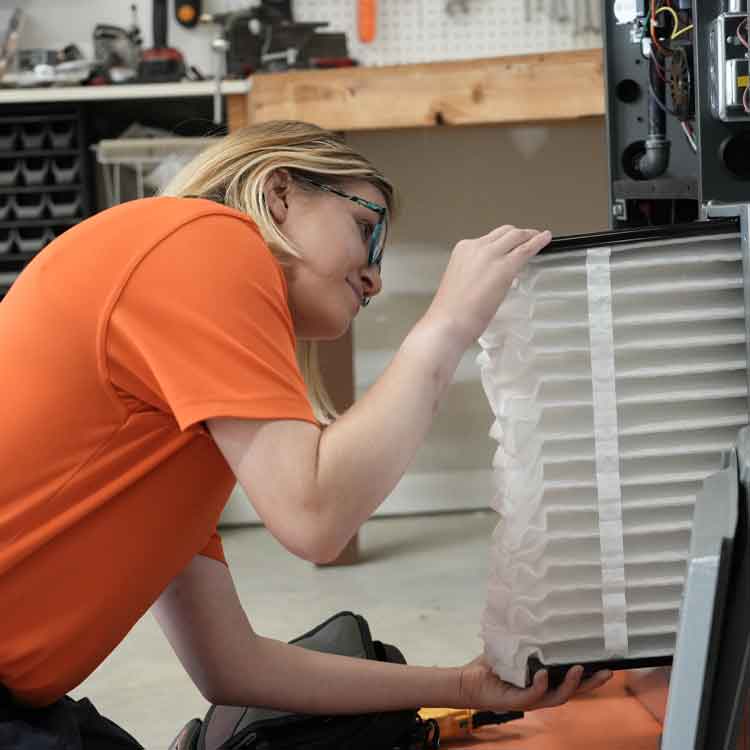
Most people spend more than 90% of their time indoors—at home, work, or school. Yet, the air we breathe inside can be two to five times more polluted than outdoor air. This invisible threat is why indoor air quality testing is essential, especially when it comes to maintaining your HVAC (Heating, Ventilation, and Air Conditioning) system. At Summers Plumbing Heating & Cooling, we believe that understanding and improving your indoor air is just as important as keeping your home comfortable.
What Is Indoor Air Quality Testing?
Indoor air quality testing is a thorough process that measures the presence of pollutants, allergens, humidity, temperature, and ventilation efficiency in your indoor environment. Unlike a simple sniff test or a glance at a dusty vent, this scientific approach uses specialized equipment to collect air samples from various parts of your home or business. These samples are then analyzed to determine the concentration of contaminants such as mold, volatile organic compounds (VOCs), carbon monoxide, and particulate matter.
The results of indoor air quality testing near me provide a clear picture of what you’re breathing every day. This information is crucial for identifying hidden dangers and creating a healthier, safer indoor environment.
The Connection Between Indoor Air Quality and Your HVAC System
Your HVAC system is the heart of your home’s comfort, but it also plays a major role in the quality of your indoor air. Every time your system runs, it circulates air throughout your living spaces. If your air is full of dust, pollen, or chemical fumes, those contaminants get distributed everywhere.
Here’s how indoor air quality and HVAC maintenance go hand in hand:
- Air Filtration: Your HVAC system’s filters trap particles like dust and pollen. If these filters are clogged or outdated, they can’t do their job, and pollutants recirculate.
- Ventilation: Proper ventilation ensures that fresh air replaces stale, polluted air. Poor ventilation can lead to a buildup of harmful substances.
- Humidity Control: HVAC systems help regulate humidity. Too much moisture can lead to mold growth, while too little can cause respiratory irritation.
Regular indoor air quality testing helps pinpoint issues within your HVAC system, allowing for targeted maintenance that improves both air quality and system performance.
Why Is Indoor Air Quality Testing Important?
1. Uncovering Hidden Contaminants
Many indoor pollutants are invisible and odorless. Mold spores, VOCs from cleaning products or furniture, and carbon monoxide can all pose serious health risks without any obvious warning signs. Indoor air quality testing identifies these hidden dangers so you can take action before they affect your health.
2. Protecting Your Health
Poor air quality is linked to headaches, fatigue, allergies, asthma, and even long-term respiratory diseases. Children, the elderly, and those with compromised immune systems are especially vulnerable. By investing in indoor air quality testing, you’re taking a proactive step to protect your family’s well-being.
3. Optimizing HVAC Performance
When your air is full of dust and debris, your HVAC system has to work harder. This leads to higher energy bills, more frequent repairs, and a shorter system lifespan. Clean air means your system runs efficiently, saving you money and reducing wear and tear.
How Indoor Air Quality Testing Works
Step 1: Initial Survey and Assessment
Before any testing begins, a professional will conduct a survey of your home or business. This includes questions about building materials, ventilation systems, the number of occupants, and any known health issues. This step helps identify potential sources of pollution and tailors the testing process to your specific needs.
Step 2: Strategic Sampling
Air quality isn’t uniform throughout a building. Pollutant levels can vary from room to room and even change throughout the day. That’s why samples are collected from multiple locations and at different times. This approach ensures a comprehensive assessment.
Step 3: Advanced Testing Methods
Professionals use a variety of tools and techniques, including:
- Air samplers for dust, pollen, and mold spores
- Gas analyzers for carbon monoxide and VOCs
- Humidity and temperature sensors
Short-term tests can identify immediate issues, while long-term monitoring reveals trends and hidden sources of pollution.
Step 4: Detailed Reporting
After testing, you will receive a detailed report that compares your results to established health standards. The report will highlight any problem areas and provide recommendations for improvement, such as upgrading filters, improving ventilation, or using air purifiers.
The Impact of Air Quality on HVAC Maintenance
Clogged Filters and Reduced Efficiency
When indoor air is full of particles, your HVAC filters become clogged more quickly. This restricts airflow, making your system work harder and less efficiently. Over time, this can lead to breakdowns and expensive repairs.
Ductwork Contamination
Dust, mold, and bacteria can accumulate inside your ductwork. Every time your HVAC system runs, it can blow these contaminants throughout your home. Regular indoor air quality testing can reveal when duct cleaning is needed to prevent this cycle.
Increased Wear and Tear
A system struggling with poor air quality is under constant stress. Motors, fans, and other components wear out faster, reducing the overall lifespan of your HVAC unit. Preventative maintenance based on air quality test results helps keep your system running smoothly.
How Often Should You Test Indoor Air Quality?
There’s no one-size-fits-all answer, but experts recommend indoor air quality testing at least once a year, especially if:
- You have pets or smokers in the home
- Family members suffer from allergies or asthma
- You’ve recently renovated or moved into a new space
- Your HVAC system is older or hasn’t been serviced regularly
Seasonal changes, like switching from heating to cooling, can also affect air quality and may warrant additional testing.
What to Do After Indoor Air Quality Testing
Review the Results
Carefully review your air quality report. Look for any readings that exceed recommended levels and take note of the suggested actions.
Implement Recommendations
Common recommendations include:
- Upgrading to high-efficiency (HEPA) filters
- Cleaning or sealing ductwork
- Installing air purifiers or dehumidifiers
- Improving ventilation by adding exhaust fans or opening windows
Schedule Regular Maintenance
Ongoing HVAC maintenance is key to sustaining good air quality. Change filters regularly, clean vents, and have your system inspected by professionals like Summers Plumbing Heating & Cooling.
The Role of Summers Plumbing Heating & Cooling
As a trusted provider in Peru, Indiana, Summers Plumbing Heating & Cooling understands the unique challenges faced by local homeowners and businesses. Our team is trained to conduct thorough indoor air quality testing and interpret the results to provide practical solutions. We believe that a healthy home starts with clean air and a well-maintained HVAC system.
Summers Plumbing Heating & Cooling
2589 S Business 31, Peru, IN 46970, United States
(765) 469-8278